Hear from Postdoctoral Research Fellow Dr Lorna Ginnell about our two-day co-development workshops held in Glasgow in August 2026
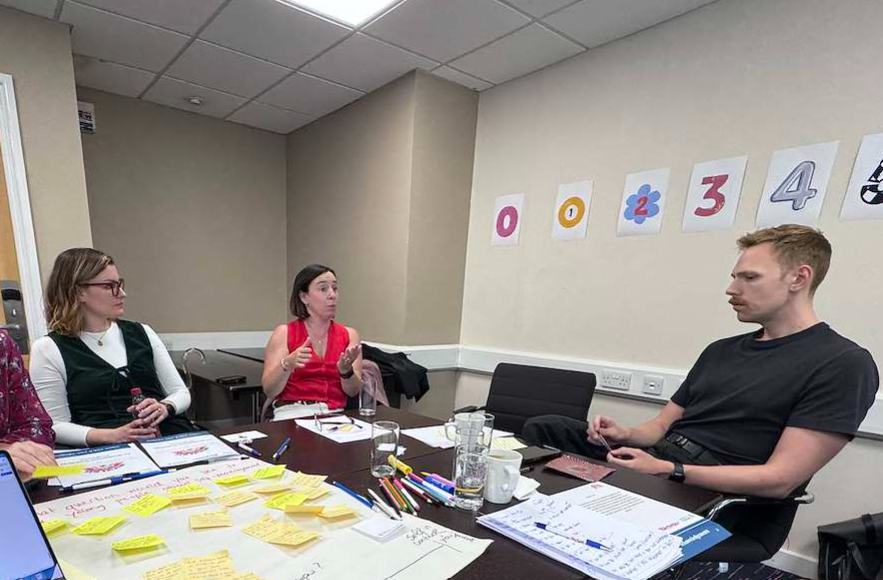
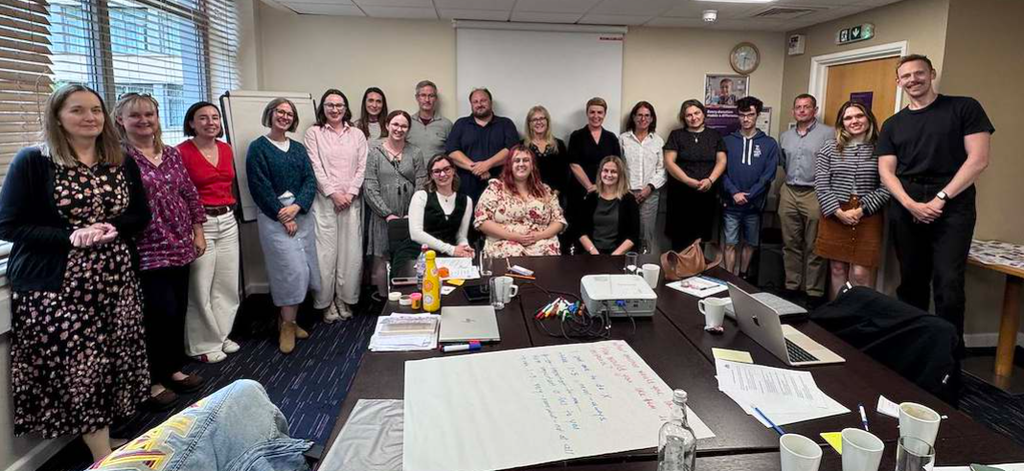
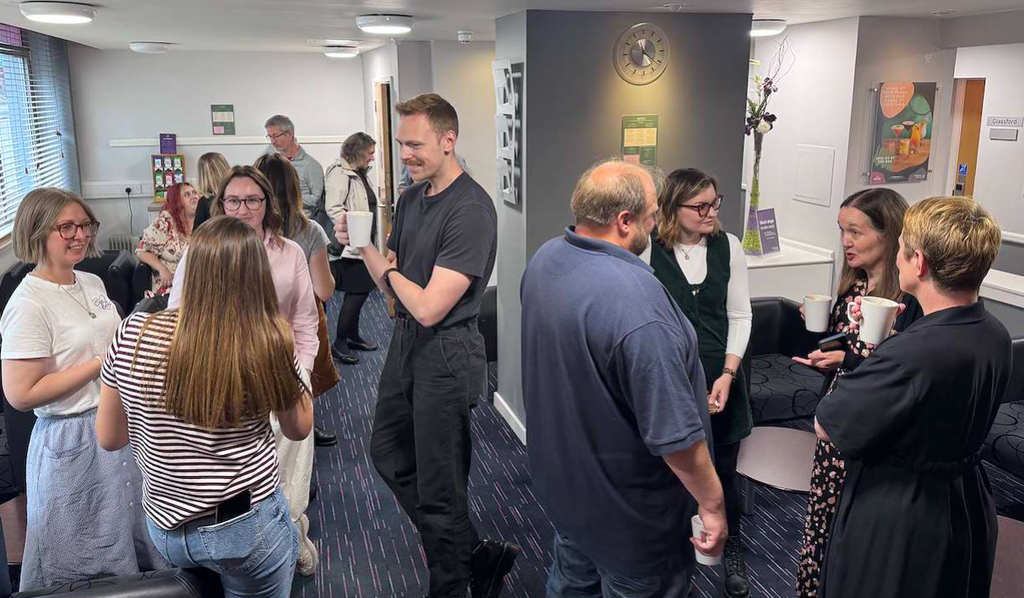
As researchers, 95% of our time is spent sitting behind a laptop. So, it was a real treat to spend not one but two full days hanging out IRL with other researchers, young people, clinicians and charity representatives at our co-development workshops! We have been looking forward to and planning these workshops for a very long time, and they have been a real highlight of the project so far. We had an extremely productive, rewarding and fun couple of days talking all things self-management with our project advisory groups.
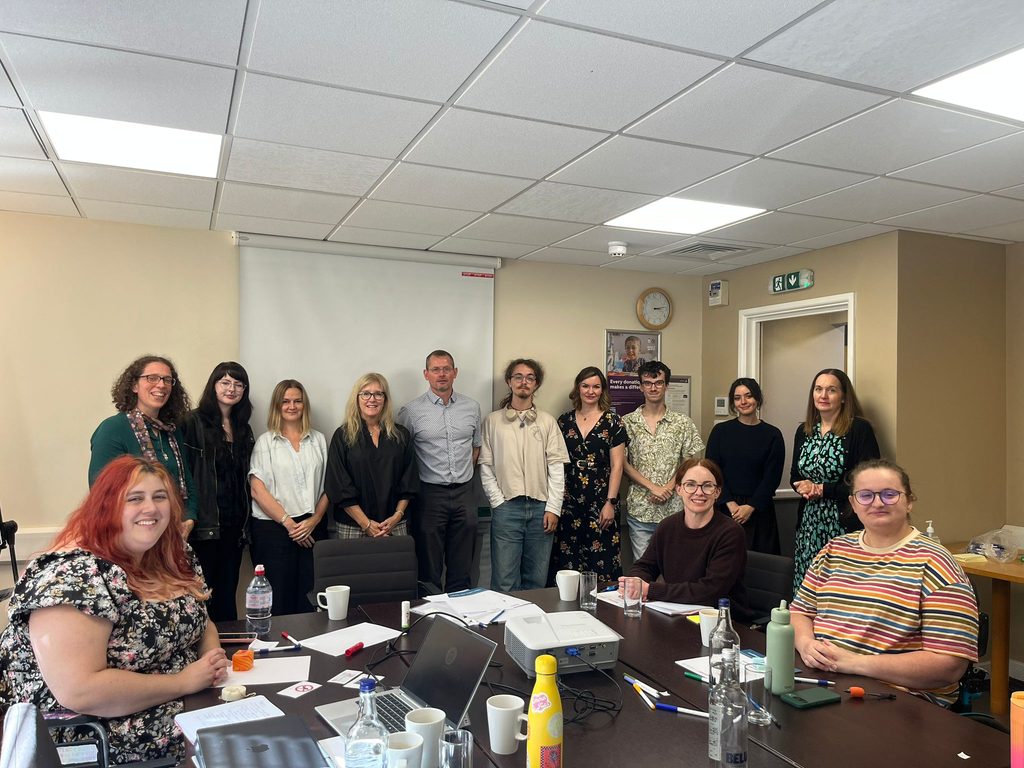
Not only did we manage to get the whole research team together in same room for the very first time, but we were thrilled to be joined by seven brilliant young people and 10 clinicians, charity representatives and external researchers. Something we are very grateful for, is that we had representation from a range of professional backgrounds including anaesthesiology, occupational therapy, physiotherapy, psychology and educational psychology. Our charity representatives were from RAiISE and Arthritis UK. We are so grateful to everyone who gave up their time to take part and who made the workshops such a success.
The questions we wanted to answer through these workshops were:
What are the most useful or important self-management activities for young people with chronic musculoskeletal pain?
How can we measure how easy or difficult it is for young people to do these self-management activities
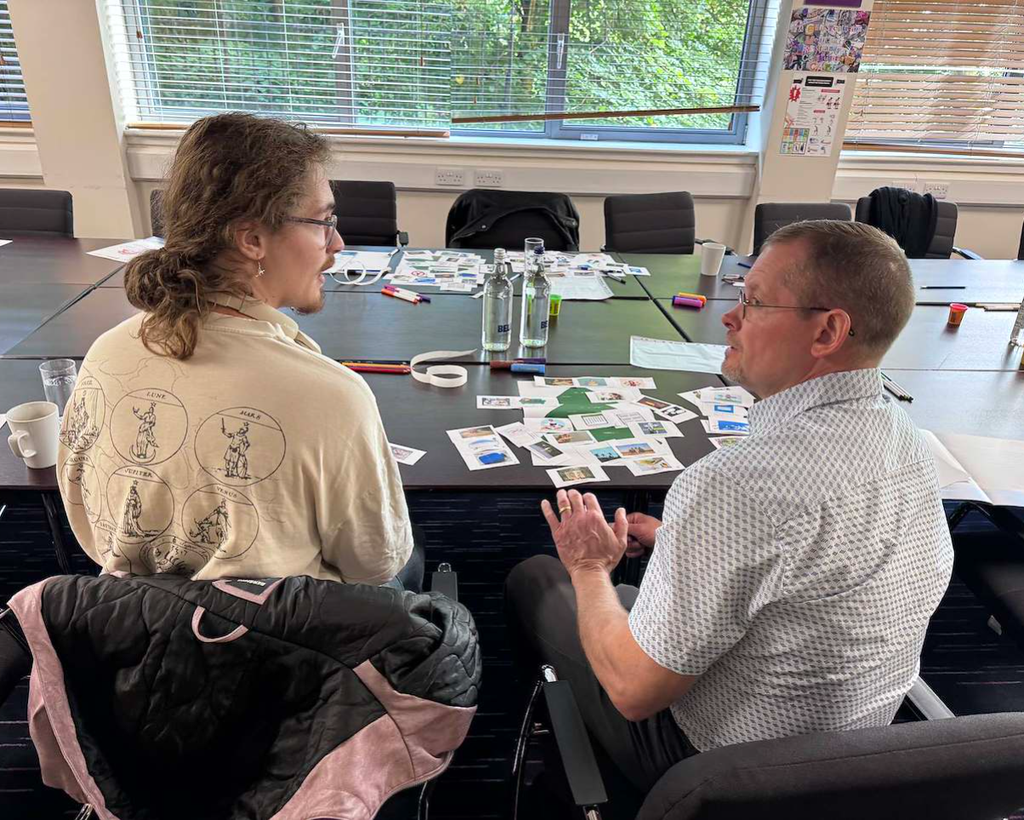
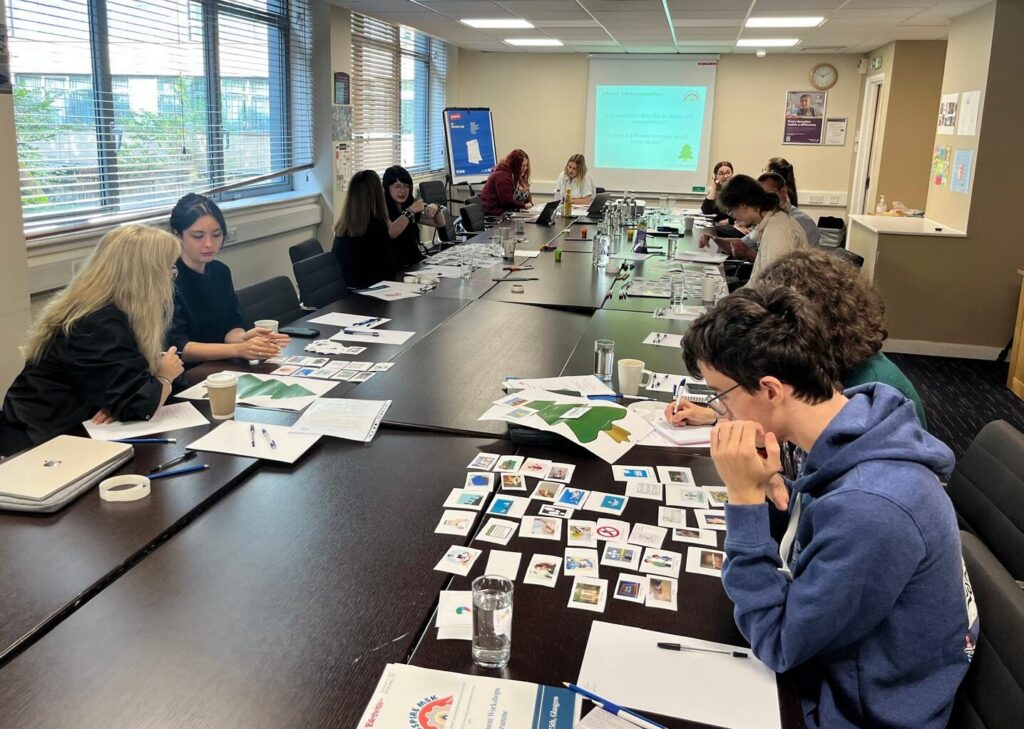
To answer these questions, we started with images representing almost 40 self-management activities that our interview participants told us were important for self-management of chronic musculoskeletal pain. Attendees worked in pairs or groups to arrange these images on a “self-management tree”, with the most important or useful activities at the top of the tree. Each tree looked very different, reflecting the individual nature of self-management, but there were some stand out activities that most of our advisors agreed were highly important or useful for self-management: social connections, taking part in meaningful activities or hobbies, and communicating your needs to others.
We then set about thinking of ways that clinicians or researchers can meaningfully ask young people about their engagement with self-management, and how their responses could be measured. The room was bursting with thoughtful and creative ideas, and we are excited to take these forward to develop a tool that can be used by researchers and clinicians to ask young people about their self-management.
Here is what some of the attendees had to say after the workshops:
“The workshop leaders created a welcoming and supportive learning environment…. Having the young people with lived experience there both days was highly valuable! Those partners were all highly effective and key contributors.”
Bruce Dick, Clinician Researcher, University of Alberta
“Working in pairs with a clinician/academic worked really well- and it was a really useful/insightful interaction…. throughout the activities it never felt like I was just a source of information, it was reciprocal, careful and non-pressurising.”